
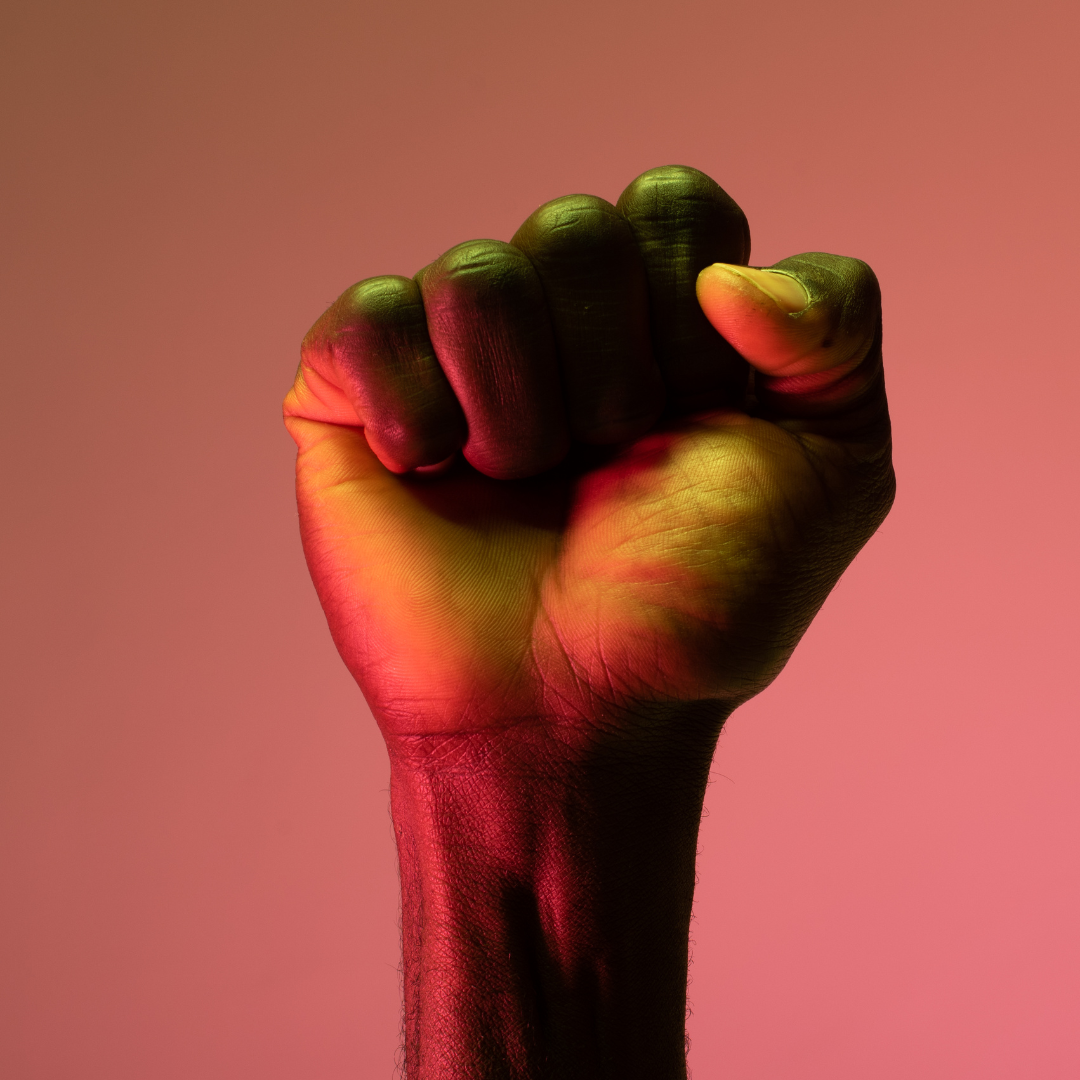
Power is not the mic. It is not the title on the door or the spotlight on the stage. Power is the silent force that decides the temperature of a room before a word is spoken. It is the ability to shift narratives, direct resources, and alter outcomes often without ever raising your voice.
In the African context, power carries historic weight. It has been abused, misrepresented, colonialized, and at times violently contested. And yet, its truest form remains misunderstood. Power is not control.
It is capacity—the capacity to act, to decide, to protect, to build. At its core, power is the ability to steward potential into impact.
The most dangerous people in any organization are those who crave power but have no understanding of its cost. Because power is expensive. It demands restraint. It requires vision. It consumes your comfort. The higher you go, the fewer things you get to say casually. Your silence can be interpreted as approval. Your reaction can start a fire or extinguish one. When you hold power, your tone becomes policy.
Power requires emotional maturity. You don’t react; you respond. You don’t assert dominance; you assert direction.
Because real power is not performative. It is perceptive.
It reads the room, understands the politics, senses the undercurrents and still chooses what is right, not just what is easy.
Leaders who wield power with wisdom never forget this: the goal is not to impress, but to impact. Influence is earned, not inherited. And while power can open doors, only credibility keeps them open. That’s why you’ll notice truly powerful people often speak last. They listen first. They don’t need to prove they are in charge. They are in charge because they know when not to speak.
Power can build, or it can break. It can cultivate confidence or curate fear. In poorly led organizations, power becomes a weapon. In visionary ones, it becomes a shield. It protects the mission. It upholds the standard. It creates space for others to rise. When power is stewarded well, people thrive. When it is hoarded or mishandled, people shrink.
If you want to understand someone’s character, watch what they do with power. How they treat people who can’t benefit them. How they respond to disagreement. How they delegate ; or refuse to. Because power is ultimately about service. The more you gain, the more responsible you become for others’ outcomes.
The paradox of power is this: the more you give it away to others intentionally through trust, mentorship, empowerment ,the more it grows. But the more you grip it from fear, insecurity, or ego, the faster it rots. Because power hoarded becomes toxic. Power shared becomes transformative.
In systems where accountability is weak, power mutates into tyranny. But in environments of shared responsibility, power multiplies influence. It outlives titles. It redefines legacy. Because people will forget your position, but they will never forget how you made them feel whether seen, silenced, or strengthened.
This is power: not dominance, but dignity. Not control, but clarity. Not intimidation, but influence. The kind of power that outlasts applause and outlives leadership. The kind of power that builds nations, not just empires.
Anything less is noise.